
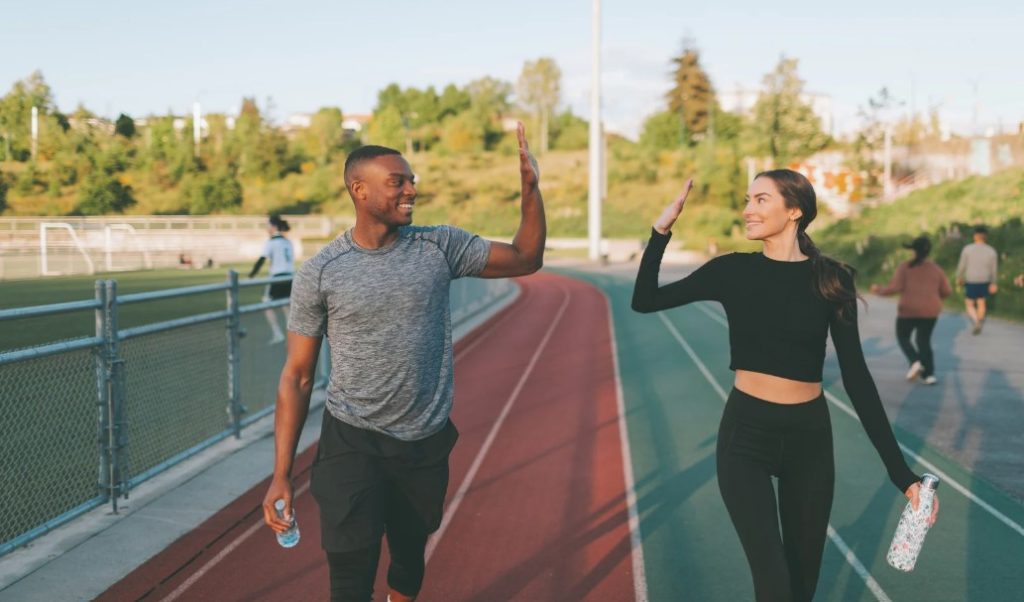
Athletes hold a unique position in society, transcending their roles as competitors to become significant cultural figures. Their influence extends far beyond the stadiums and arenas, impacting public opinion, driving social change, and inspiring millions. This reach is a byproduct of their visibility and the inherent drama of professional sports, which captures global attention.
The modern athlete often navigates a complex landscape where performance is only one facet of their public persona. Endorsements, media appearances, and social media presence amplify their voices, giving them a platform that few other professions can match. This platform, when leveraged effectively, can be a powerful tool for positive transformation.
Athletes as Catalysts for Social Change
Many athletes recognize the power of their platform and actively use it to advocate for causes they believe in. This can range from speaking out against injustice to championing environmental protection. Their involvement often brings mainstream attention to issues that might otherwise remain on the periphery.
One prominent example is LeBron James, who has consistently used his voice to address racial inequality and promote voting rights. His “More Than a Vote” initiative, launched in 2020, aimed to combat voter suppression and encourage civic engagement among Black Americans. This type of direct action from a high-profile athlete can mobilize communities and influence public discourse significantly.
Similarly, Megan Rapinoe has been a vocal advocate for gender equality and LGBTQ+ rights, using her platform as a World Cup-winning soccer player to push for equal pay and greater inclusivity in sports and society. Her outspokenness has not only raised awareness but has also contributed to tangible changes, such as increased scrutiny on pay disparities in women’s sports.
The ability of athletes to connect with a diverse audience across various demographics makes them particularly effective agents of change. When an athlete takes a stance, it often resonates with their fanbase, initiating conversations and shifting perspectives. This is a critical aspect of an athlete’s quest for excellence on the global stage, extending beyond their competitive performance.
Impacting Education and Community Development
Beyond broad social issues, many athletes dedicate resources and time to educational initiatives and community development. This often involves establishing foundations, funding scholarships, or participating in mentorship programs aimed at empowering youth.
For instance, the Serena Williams Fund supports educational programs and provides assistance to communities affected by violence. Such initiatives provide direct support to individuals and foster environments where young people can thrive academically and personally. These efforts are not merely philanthropic gestures; they represent a strategic investment in future generations, leveraging an athlete’s influence to create lasting positive impacts.
Community engagement also extends to promoting health and wellness. Athletes are natural role models for physical fitness, and many actively encourage healthy lifestyles among their followers. Programs promoting youth sports participation, nutritional education, and mental health awareness often feature athletes as ambassadors. For example, NFL players frequently participate in initiatives promoting healthy eating and physical activity in schools. Understanding how to bet on the NFL might be a popular activity, but the league’s players also contribute significantly off-field.
The influence of athletes is a multifaceted phenomenon. It encompasses their athletic prowess, their celebrity status, and their capacity to inspire and mobilize. When athletes choose to use this influence for social good, they become powerful catalysts for change, shaping narratives, challenging norms, and contributing to a more equitable and informed society.